

The travel industry has undergone dramatic transformation in recent decades, yet travel agents continue to thrive by adapting their skillset to meet evolving client needs. Despite early predictions that online booking platforms would eliminate the profession, savvy travel agents have proven their worth by developing specialized skills that technology alone cannot replicate.
According to recent industry data, approximately 50% of Millennial and Gen Z travelers have used or plan to use a travel agent post-pandemic, reflecting renewed appreciation for expertise as travel has become more complicated. This resurgence highlights the critical importance of developing the right combination of technical abilities, interpersonal skills, and industry knowledge to succeed in today’s competitive travel business.
Whether you’re considering a career change or looking to enhance your existing travel agency operations, understanding what skills do you need to be a travel agent is essential for long-term success. The most successful agents combine traditional customer service excellence with modern technological proficiency, creating value that clients cannot easily find through DIY booking platforms.
Essential Skills Overview – What Skills Do You Need to Be a Travel Agent?
Travel agents need a combination of technical abilities, interpersonal skills, and industry knowledge to navigate the complex landscape of modern travel planning. The profession has evolved from simple booking transactions to comprehensive travel consultation that requires deep expertise across multiple domains.
Core competencies include customer service excellence, booking system proficiency, and sales capabilities that enable agents to create personalized travel experiences. These foundational skills serve as the backbone for building trust with clients and establishing repeat business relationships that sustain a thriving travel agency.
Communication skills and attention to detail are fundamental for managing complex travel arrangements that often involve multiple destinations, time zones, and travel components. Successful agents must coordinate flights, accommodations, ground transportation, and activities while ensuring all details align with client preferences and budgets.
Problem-solving abilities and cultural awareness help agents handle diverse client needs and travel challenges that arise during trip planning and execution. From visa requirements to dietary restrictions, experienced travel agents anticipate potential issues and proactively address them before they impact the client experience.

The modern travel agent serves as both consultant and advocate, leveraging technology while providing the human touch that distinguishes professional service from automated booking systems. This unique position requires continuous learning and adaptation as industry trends, regulations, and client expectations continue to evolve.
Most travel agents work within established agencies or host agency networks that provide access to booking systems, training resources, and ongoing support. However, entrepreneurial agents may also operate independently after obtaining proper business licenses and establishing supplier relationships.
Technical and Administrative Skills
Understanding of travel booking platforms, CRM software, and online travel management tools enables agents to streamline operations and provide superior customer service experience. Modern travel agencies rely heavily on technology to manage bookings, track client preferences, and automate routine administrative tasks.
Basic accounting skills for processing payments, handling refunds, and managing client billing are essential for maintaining accurate financial records and ensuring proper cash flow management. Travel agents must understand various payment methods, service fees structures, and refund policies across different suppliers.
Data entry accuracy for maintaining detailed travel records and client information protects both the agency and clients from costly errors. Even minor mistakes in booking details can result in denied boarding, missed connections, or accommodation problems that damage client relationships and agency reputation.
Knowledge of travel insurance policies, visa requirements, and passport regulations helps agents guide clients through complex documentation processes. Staying current with changing entry requirements, health advisories, and political situations requires ongoing attention to industry resources and government updates.
Computer skills extend beyond basic booking systems to include email management, social media marketing, and financial management software that supports daily operations. Many travel agents also use specialized tools for creating detailed itineraries, managing group bookings, and tracking commission payments from suppliers.
Customer Service and Communication Skills
Active listening abilities to understand client preferences, budgets, and special requirements form the cornerstone of exceptional customer service in the travel industry. Skilled agents ask probing questions to uncover unstated needs and concerns that influence travel decisions and satisfaction levels.
Clear written and verbal communication for explaining travel options and itinerary details ensures clients fully understand their choices and feel confident about their bookings. This includes explaining complex airline policies, hotel amenities, and destination-specific information in accessible language.
Multilingual capabilities prove valuable for serving diverse international clientele and communicating with suppliers in different countries. Even basic conversational skills in popular destination languages can enhance credibility and improve problem-solving capabilities during travel disruptions.
Conflict resolution skills for handling complaints, cancellations, and travel emergencies require patience, empathy, and creative problem-solving abilities. Travel agents often serve as intermediaries between frustrated clients and inflexible suppliers, requiring diplomatic skills to find mutually acceptable solutions.
Patience and empathy when working with anxious or indecisive travelers helps build trust and confidence in the agent’s recommendations. First-time international travelers, elderly clients, and those with special needs often require additional time and reassurance throughout the planning process.

Customer service excellence extends beyond individual transactions to encompass relationship building that generates repeat business and referrals. The most successful travel professionals maintain ongoing contact with clients, remembering preferences and anniversaries to suggest future travel opportunities.
Sales and Business Development Skills
Consultative selling techniques to match travel products with client needs and desires require understanding both destination options and client psychology. Effective agents focus on solving problems and fulfilling dreams rather than simply pushing the most profitable products.
Upselling abilities to recommend premium accommodations, upgrades, and additional services can significantly increase transaction values while enhancing client satisfaction. Skilled agents present upgrades as valuable enhancements rather than unnecessary expenses, focusing on benefits that align with client priorities.
Relationship building skills for developing long-term client partnerships and repeat business form the foundation of sustainable travel agency success. Studies show that acquiring new clients costs significantly more than retaining existing ones, making customer loyalty crucial for profitability.
Market research capabilities to identify travel trends and competitive pricing help agents stay current with industry developments and position their services effectively. Understanding seasonal patterns, emerging destinations, and changing consumer preferences enables proactive business planning.
Networking skills for establishing partnerships with hotels, airlines, and tour operators provide access to exclusive rates, amenities, and insider knowledge that differentiate professional agents from online booking sites. These relationships often prove invaluable during emergencies or when seeking special accommodations for clients.
Sales skills extend beyond closing individual transactions to include building a personal brand that attracts new clients through referrals and marketing efforts. Many successful agents develop expertise in specific niches like luxury travel, destination weddings, or corporate travel management.
Organizational and Time Management Skills
Multitasking abilities to handle multiple client bookings and travel arrangements simultaneously are essential for managing a successful travel business. Experienced agents often juggle dozens of active bookings while maintaining attention to detail and meeting critical deadlines.
Calendar management for coordinating complex itineraries with multiple destinations and time zones requires systematic organization and careful planning. International travel often involves tight connection times, visa processing deadlines, and seasonal availability windows that demand precise scheduling.
Prioritization skills to meet booking deadlines and respond to urgent client requests help agents manage competing demands effectively. Understanding which tasks require immediate attention versus those that can be scheduled for later prevents critical oversights and client disappointments.
File management for organizing travel documents, confirmations, and client correspondence ensures important information remains accessible when needed. Digital organization systems help agents quickly locate booking references, supplier contacts, and client preferences during busy periods.
Project management capabilities for coordinating group travel and corporate events require advanced planning skills and attention to multiple interconnected details. Managing group bookings involves coordinating individual preferences within overall logistics constraints while maintaining budget parameters.
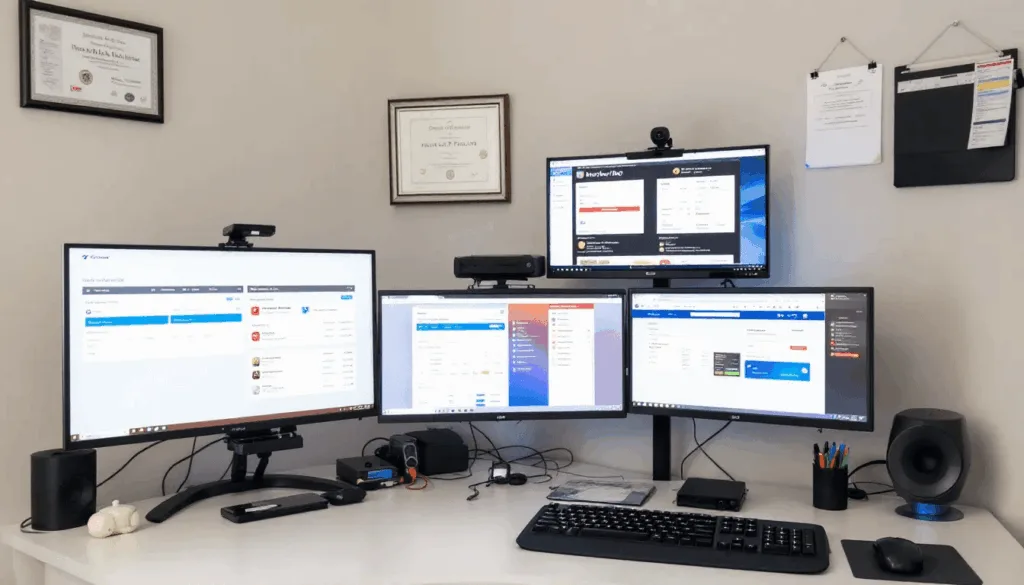
The ability to work with multiple clients across different time zones while managing personal work schedules requires strong time management discipline. Many travel agents work flexible hours to accommodate client schedules and international supplier business hours.
Industry Knowledge and Expertise
Destination knowledge including popular attractions, local customs, and seasonal considerations enables agents to provide expert advice that enhances client experiences and avoids common pitfalls. This expertise often comes from personal travel experiences, educational programs, and ongoing industry education.
Understanding of airline policies, baggage restrictions, and frequent flyer programs helps agents optimize bookings and prepare clients for travel requirements. Knowledge of alliance partnerships, upgrade policies, and elite status benefits can significantly impact client satisfaction and loyalty.
Hotel classification systems, room types, and amenity offerings across different property categories allow agents to match accommodations with client expectations and budgets. Understanding the differences between various hotel brands and their target markets prevents mismatched bookings.
Transportation options including rail passes, car rentals, and cruise line policies provide agents with comprehensive knowledge for creating seamless ground arrangements. This includes understanding insurance requirements, age restrictions, and international driving permit requirements.
Current travel advisories, health requirements, and entry restrictions for international destinations require ongoing monitoring of government resources and industry communications. Post-pandemic travel has introduced additional complexity around health documentation and testing requirements.
Industry knowledge also encompasses understanding seasonal pricing patterns, peak travel periods, and special events that impact availability and costs. This insight helps agents advise clients on optimal booking timing and manage expectations around pricing fluctuations.
Cultural sensitivity and awareness of local customs, business practices, and social norms help agents prepare clients for respectful interactions with local communities. This knowledge proves particularly valuable for clients visiting destinations with significantly different cultural practices from their home countries.
Problem-Solving and Crisis Management Skills
Quick thinking abilities to resolve travel disruptions like flight cancellations or overbookings require calm decision-making under pressure and knowledge of alternative options. Experienced agents maintain lists of backup suppliers and alternative routings for common destinations.
Resource identification for finding alternative accommodations during peak travel periods demonstrates the value of professional relationships and industry knowledge. Agents with strong supplier networks can often secure rooms when online platforms show no availability.
Emergency response skills for assisting clients during natural disasters or political situations require understanding of evacuation procedures, embassy resources, and travel insurance coverage. These situations test an agent’s ability to coordinate complex logistics while managing client anxiety.
Creative solution development for working within budget constraints and special circumstances showcases the consultant aspect of professional travel planning. This might involve suggesting alternative destinations, adjusting travel dates, or finding package deals that meet client requirements.
Stress management techniques for maintaining composure during high-pressure situations are essential for providing effective client support during crises. Agents must remain calm and solution-focused while clients may be experiencing significant stress or disappointment.
Problem-solving skills extend to anticipating potential issues before they occur and building contingency plans into complex itineraries. Experienced agents factor in buffer time for connections, alternative transportation options, and backup accommodation preferences.
How to Develop Travel Agent Skills
Enroll in travel agent certification programs through organizations like The Travel Institute or ASTA to gain foundational knowledge and industry credibility. These programs cover essential topics including geography, supplier policies, and professional ethics while providing recognized credentials.
Complete familiarization trips to gain firsthand knowledge of destinations and properties that cannot be learned through brochures or websites. Many suppliers offer complimentary or discounted trips for travel professionals to experience their products directly.
Practice with booking systems through online training modules and simulation programs before working with actual client reservations. Most GDS providers offer training environments where new agents can learn system navigation without risk of costly errors.
Shadow experienced travel agents to observe client interactions and booking procedures in real-world situations. This mentorship approach provides insight into problem-solving techniques and sales strategies that supplement formal education programs.
Attend travel trade shows and industry conferences to network and learn about new products, destinations, and industry trends. These events provide opportunities to meet supplier representatives, earn continuing education credits, and discover emerging markets.
Take foreign language courses to communicate with international suppliers and clients more effectively. Even basic conversational skills can improve service quality and expand potential client base for agents specializing in specific regions.

Continuous learning through industry publications, webinars, and online courses helps agents stay current with rapidly changing regulations, new destinations, and evolving client preferences. The travel industry requires lifelong learning due to its dynamic nature.
Gain experience through entry-level positions at established travel agencies before starting independent operations. This provides exposure to different client types, booking scenarios, and business operations while building confidence and skills.
Building Your Travel Agent Career
Success as a travel agent requires dedication to continuous skill development, relationship building, and staying current with industry trends. The agents who thrive in this dynamic field are those who embrace change while maintaining focus on exceptional client service and professional expertise.
Whether working for an established travel agency or building an independent business, the skills outlined in this guide provide the foundation for a rewarding career helping others explore the world. From technical proficiency with booking systems to cultural sensitivity for international travel, each skill contributes to the comprehensive expertise that defines successful travel professionals.
The travel industry offers numerous opportunities for specialization, from luxury travel and destination weddings to corporate travel management and adventure tourism. As you develop your skills, consider which areas align with your interests and expertise to build a focused practice that sets you apart from competitors.
Remember that becoming a skilled travel agent is a journey that extends well beyond initial training and certification. The most successful agents view themselves as lifelong learners who continuously enhance their knowledge, expand their networks, and refine their service delivery to meet evolving client expectations.
Start developing these essential travel agent skills today by identifying your strengths, addressing knowledge gaps, and seeking opportunities to gain practical experience in the travel industry. With dedication and the right skill development approach, you can build a successful career helping others create memorable travel experiences while building a thriving business.
What are the next steps to becoming a travel agent? Read Article.